
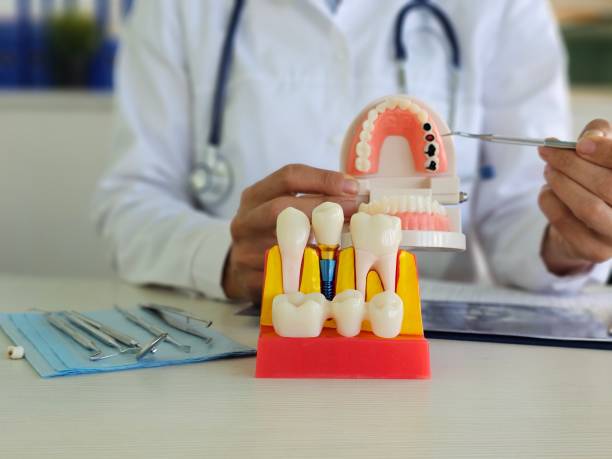
A dental implant procedure gives patients a safe and structured path to replace missing teeth with long lasting restorations. Many patients in Columbia want a solution that feels natural, looks real, and supports daily function. Dental implants meet these goals because they fuse with the bone and support a custom crown. This guide explains each step so patients feel confident during the process.
The dental implant procedure follows a predictable plan that supports comfort and accuracy. Patients in Columbia, West Columbia, Forest Acres, and Cayce often ask what to expect from consultation to crown placement. The process uses strong materials and does not affect nearby teeth. These details help patients see why implants remain a trusted tooth replacement option in modern dentistry.
Consultation and Treatment Planning in Columbia, SC
A dental implant consultation gives the dentist a clear view of oral health and bone support. The visit includes a medical history review, an exam, and digital imaging to evaluate the jaw. Digital X rays show bone height, bone density, and gum health, while CBCT scans may be used for more detailed planning. These steps help the dentist design a safe and personalized approach that supports long term success.
The implant dentist in Columbia uses these findings to build a timeline that covers extractions, placement stages, healing time, and follow up visits. Patients also receive guidance about oral care and preparation that supports predictable results. Those interested in cosmetic planning can review options on the Cosmetic Dentistry page to see how the final tooth will look. This early phase helps reduce stress and gives patients a clear roadmap for the months ahead.
Tooth Extraction Before Implants in Columbia, SC
Some patients need a tooth extraction before the implant can be placed. Extraction is recommended when a tooth is infected, broken, or cannot be restored. Removing the damaged tooth creates a healthy site and helps protect the surrounding bone. This early step supports the dental implant procedure and prepares the area for long term success.
The dentist uses local anesthesia to numb the area and guide patients through each part of the visit. Healing after extraction depends on bone and gum health, and many patients recover in a few weeks before the next stage. Patients receive clear home care instructions that help reduce swelling and support smooth healing. Those who want to learn more about replacement options can visit the Dental Implants page to see how implants restore natural function.
Placing the Dental Implant Post in Columbia, SC
Implant placement is a precise treatment that forms the base of the restoration. The dentist numbs the area with local anesthesia to support comfort during the visit. Most patients feel gentle pressure rather than pain as the implant is positioned. The titanium post fits securely in the bone and has strong compatibility with human tissue.
After the implant is placed, the dentist checks alignment and reviews early healing steps with the patient. Mild swelling can appear during the first few days but often fades quickly. A soft diet may help during early healing, and most people return to normal routines soon after. Patients who want to see options for the final restoration can visit the Crowns and Bridges page to learn how custom crowns blend with nearby teeth.
How Long Does Dental Implant Surgery Take in Columbia, SC?
Dental implant surgery usually takes thirty to sixty minutes for one implant. The time varies based on bone quality and oral anatomy. Preparation time for numbing and imaging adds a short period before the procedure. The actual placement is careful and efficient.
Patients often feel more relaxed when they hear the time estimate. The dentist explains each step during the visit. This helps patients stay informed and comfortable. The goal is a safe, smooth appointment that respects patient comfort.
Healing and Osseointegration Timeline in Columbia, SC
The healing phase allows the implant to bond with the bone through a process called osseointegration. This stage supports the strength and stability of the final tooth, and most patients return to normal activities with little discomfort. The timeline often ranges from three to six months based on health and bone quality. Research from the National Institutes of Health shows strong long term stability when osseointegration occurs as expected.
Healing after dental implants depends on bone density, medical conditions, and daily care habits. Regular follow up visits help the dentist check progress and support a smooth recovery. Patients continue daily activities with few limits and follow guidance about keeping the area clean. Gentle brushing and routine cleanings help protect the implant and support long term success.
What Does Osseointegration Feel Like?
Osseointegration usually feels normal for most patients. The bone healing process has no direct sensation. Patients may feel mild tenderness during the first few days after placement. This sensation fades quickly as the tissue heals.
Many patients in Columbia report that they forget the implant is there during the healing phase. The area becomes stable and comfortable over time. The dentist checks healing progress during follow up visits to support patient confidence. Patients continue daily routines with comfort during this stage.
Attaching the Abutment and Final Crown in Columbia, SC
After healing, the dentist attaches the abutment, which connects the implant to the final crown. This step is usually short and comfortable with local anesthesia. The gum tissue heals quickly around the abutment and prepares the area for the final tooth. This stage brings patients closer to full function and comfort.
The dentist then prepares the final crown and matches its color and shape to nearby teeth. Many patients choose ceramic or porcelain because they provide strength and a natural look. Once the crown is attached, the restoration works like a natural tooth, allowing patients to chew and speak with confidence. Patients who want to learn more about crown options can visit the Crowns and Bridges page for a detailed look at materials and design.
FAQs About the Implant Procedure in Columbia, SC
Is implant surgery painful?
Implant surgery uses local anesthesia that blocks pain during the procedure. Most patients feel only pressure at the implant site. Mild soreness afterward is common and usually managed with simple home care. Many patients in Columbia describe the experience as easier than they expected.
How many visits are needed?
Most implant treatments require several visits spread over a few months. The steps include consultation, extraction if needed, implant placement, healing checks, and crown placement. Some patients need fewer visits based on their health and treatment plan. The dentist explains the timeline during the first visit.
Can all implants be placed in one day?
Some patients qualify for same day implants when bone support is strong. Many patients follow the traditional method so the bone can heal around the implant. The dentist evaluates each case during the consultation to decide which method is safe. The goal is stable long term success.
Start Your Implant Journey in Columbia, SC Today
Dental implants offer a strong and natural way to replace missing teeth. This guide gives patients a clear view of the planning, placement, healing, and crown stages. Patients in Columbia can feel confident knowing the process is organized and supported by modern imaging and skilled implant care. Each step builds toward stable function and natural appearance.
If you want to learn how dental implants can help restore your smile, our team at Dental Care of Rosewood is ready to help. We offer full evaluations, clear guidance, and supportive care from start to finish. Schedule your consultation to start your implant journey today and regain the comfort and confidence you want.